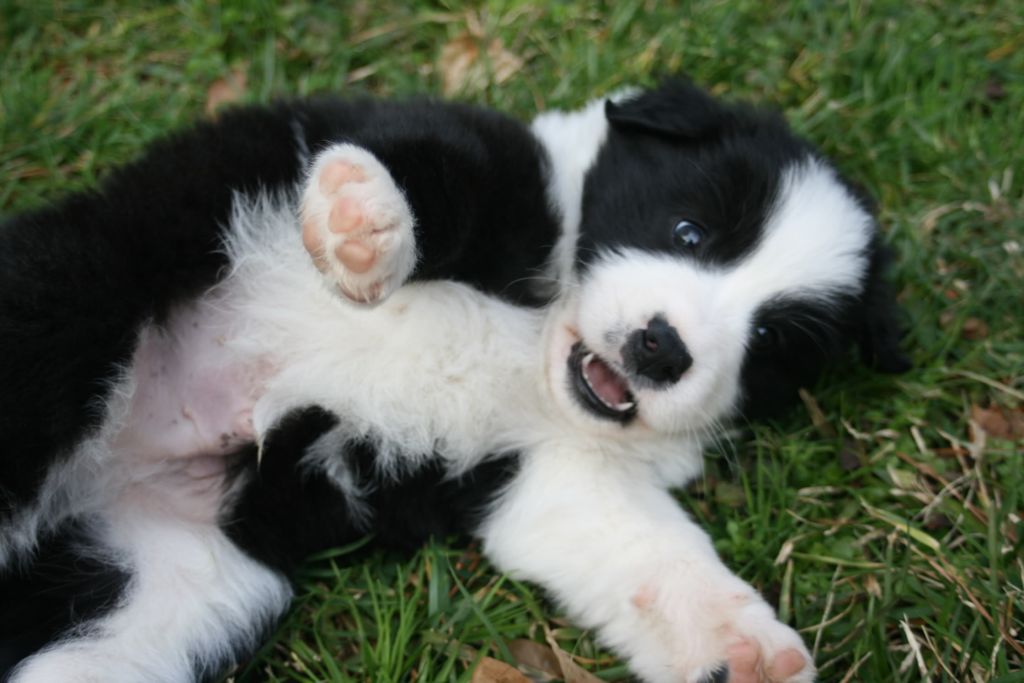
Many people feel moved to give back after experiencing the comfort of their own dog. There is so much heart in wanting to share the connection you have with your dog with people who might benefit from it. At the same time, therapy work asks our dogs for something very specific. It asks for steady confidence in new places, comfort with new people, and a genuine enjoyment of being touched by others. Not every dog wants that. Not every dog feels safe in those moments. That does not make them any less wonderful.
Your dog’s comfort comes first. Always.
The Reality About Therapy Dog Work
When people imagine therapy dog visits, they often picture quiet smiles, gentle touches, and a calm dog soaking up love. Sometimes that is precisely what happens. Sometimes it is not.
Many dogs are happiest staying close to their own family. Many prefer a predictable home routine. Some feel uncertain in busy hallways, medical settings, or rooms filled with emotion. Some dogs adore their people but shrink away from strangers. Some lean heavily on their humans for a sense of safety and would find therapy work overwhelming.
These dogs are not wrong. They are simply honest about who they are. And we must respect that.
Why Your Dog’s Everyday Behaviors Matter
If your dog does not get out much, it can be hard to know how they truly feel about strangers or new environments. What we see at home is only one part of the picture. Therapy work is not about obedience. It is about comfort, confidence, and inner ease.
Your dog’s response to the world can tell you a lot.
- Do they soften when someone greets them, or do they stiffen and look away?
- Do their eyes brighten with curiosity, or do they scan for an exit?
- Do they walk comfortably into new spaces, or do they hesitate, unsure?
- Do they enjoy being petted, or do they quietly tolerate it?
All of these signs matter. All of these signs speak to emotional safety.
A Few Ways to Gently Self-Assess Your Dog
Here are some ways to learn more about how your dog feels. Move slowly and stay curious. Let your dog be your guide.
How does your dog respond in public?
Visit a calm public place and simply observe. Notice the pace of their breathing. Notice how they look at people walking by. Notice if their body stays loose or becomes tense. Imagine how this moment would feel if the person walking by reached toward them.
How does your dog respond to new people?
Ask a trusted friend to greet your dog in a soft and friendly way. Notice how your dog approaches. Do they move in with confidence or hang back? Do they lean in for touch or shift away? Your dog will tell you how much social contact they are ready for.
How does your dog respond to handling?
Therapy dogs experience unpredictable touch. A hand on their head, a gentle hug, or someone brushing a paw by accident. Try a light version of this with your dog. Notice their expression. Notice whether they relax into it or hold themselves still.
How does your dog cope with uncertainty?
Therapy environments often include wheelchairs, carts, unfamiliar sounds, medical smells, or people who move differently. Introduce something mildly unusual at home or in a safe environment. Notice if your dog investigates, looks to you for support, or feels unsure.
When Your Dog Says No
If your dog shows steady signs of discomfort, that is information you can trust. Therapy work requires a dog who naturally enjoys these interactions and who feels emotionally safe in the presence of strangers. A dog who says no is not failing. They are telling the truth about what keeps them well.
There are many ways to share compassion that do not involve placing your dog in situations that feel too hard for them.
When Your Dog Says Yes
If your dog consistently shows confidence, curiosity, and ease with new people and new places, you can begin exploring the therapy dog requirements provided by organizations like the Alliance of Therapy Dogs. The evaluations focus on gentle behavior, emotional steadiness, and the ability to enjoy human connection in a variety of settings. You and your dog would be a team, supporting one another moment by moment.
Your Dog Is Enough
No matter what you discover, your dog already brings love into the world. Therapy work is not the only path to offering kindness. Sometimes, the greatest act of care is recognizing what your dog truly wants and allowing them to be exactly who they are.